
Some presentations stick with you long after they’re over—this was one of them for me.
Eliot Newton’s presentation called Gender Bandit, was an absolutely stellar session on supporting 2SLGBTQ+ students in our schools. I cannot recommend it enough! Eliot is an engaging speaker who tackles complex and often controversial topics with ease, grace, and clarity. They create a space where tough conversations feel accessible, necessary, and actionable.
What I Expected vs. What I Learned
Going into this session, I honestly didn’t expect to learn much. I’m already deeply engaged in the Ottawa queer community and have spent years advocating for LGBTQ+ inclusion. But this presentation still challenged me, expanded my knowledge, and left me with a lot to reflect on.
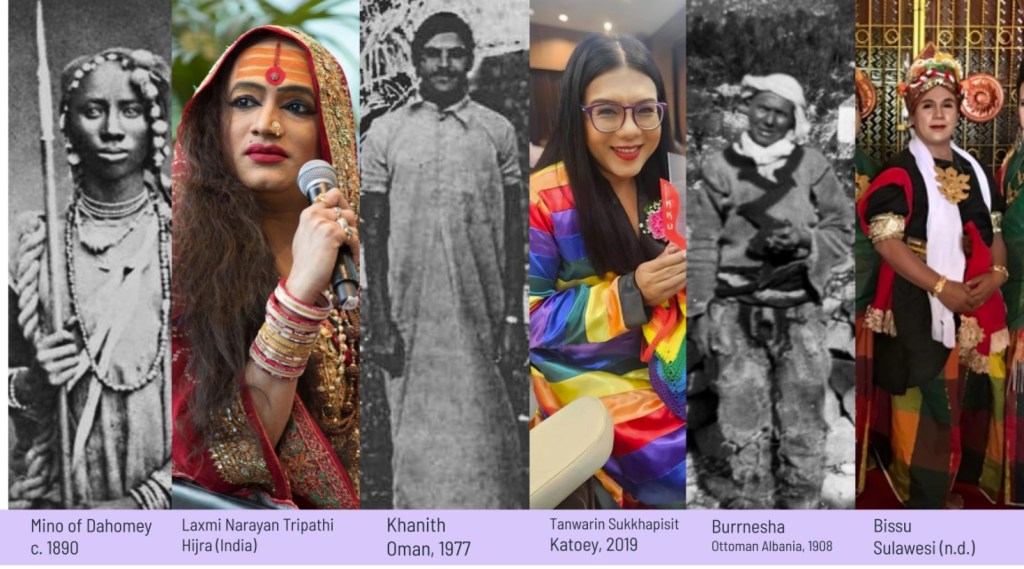
One of my favorite moments was the slide showcasing queer identities across cultures and history. Seeing how gender diversity has existed in different societies for centuries made me realize how much more there is to learn beyond a Western framework. It sparked so much curiosity in me—definitely a topic I want to explore further.
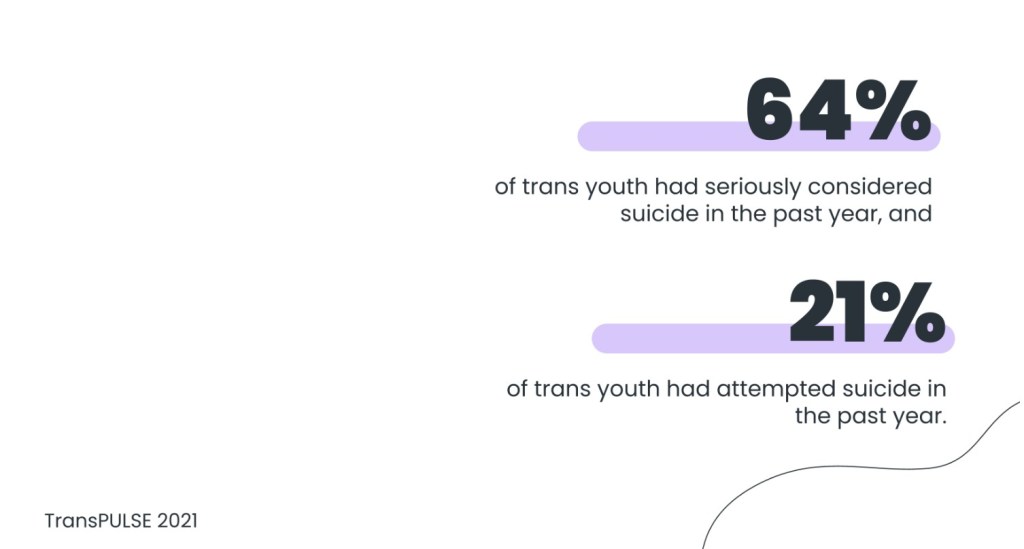
I also appreciated the focus on Canadian data and statistics. So often, I see LGBTQ+ advocacy dominated by US-based discussions, so it was refreshing to engage with research specific to Canada. In particular, the discussion around Indigenous queerness and Two-Spirit identities was a really strong part of the presentation.
Should Trans Girls Play Sports?
One of the most memorable parts of the session was when we tackled real-life, difficult scenarios that teachers face.
For example: What do you do if a trans girl in your class wants to join the girls’ basketball team? Should she use the same change room as the rest of the team?
We had a long, winding discussion—bringing up concerns, perspectives, and potential barriers. But in the end, Eliot cut through all the noise with a simple truth: It’s a human right.
Access to gendered spaces that align with your identity is protected by the United Nations. As educators, it’s our job to facilitate inclusion, not impose our own biases or concerns. Even discouraging a student from participating out of concern for their well-being is a violation of their rights.
Being a Better Ally
A big part of the session focused on how to be a strong ally for queer students and how to navigate conversations with peers who are hesitant about LGBTQ+ inclusion. One thing that really resonated with me was hearing from former administrators in the room who affirmed the importance of this work. It means a lot to hear these perspectives from the generations before me—to know that change is happening, and that there are allies in leadership positions who are pushing for safer, more inclusive schools.
Final Thoughts
This was, without a doubt, one of the most impactful professional development sessions I’ve ever attended. If you’re a teacher, administrator, or anyone working in education, get Eliot Newton to speak to your faculty or students. Their approach is compassionate, research-based, and rooted in real action.
 Katelyn Day